Chimneys on Long Island develop damage in predictable patterns. The salt air and freeze-thaw cycles that define our region's winters create special challenges for masonry. Homeowners in Wantagh often don't realize their chimney is failing until they spot water stains on an interior ceiling or notice loose bricks during routine inspections. By that point, moisture has already penetrated deeper into the structure. Early detection makes repairs faster and more affordable. DME Maintenance has served Wantagh homeowners since 2001, and we've learned to spot the warning signs before they escalate into structural emergencies.
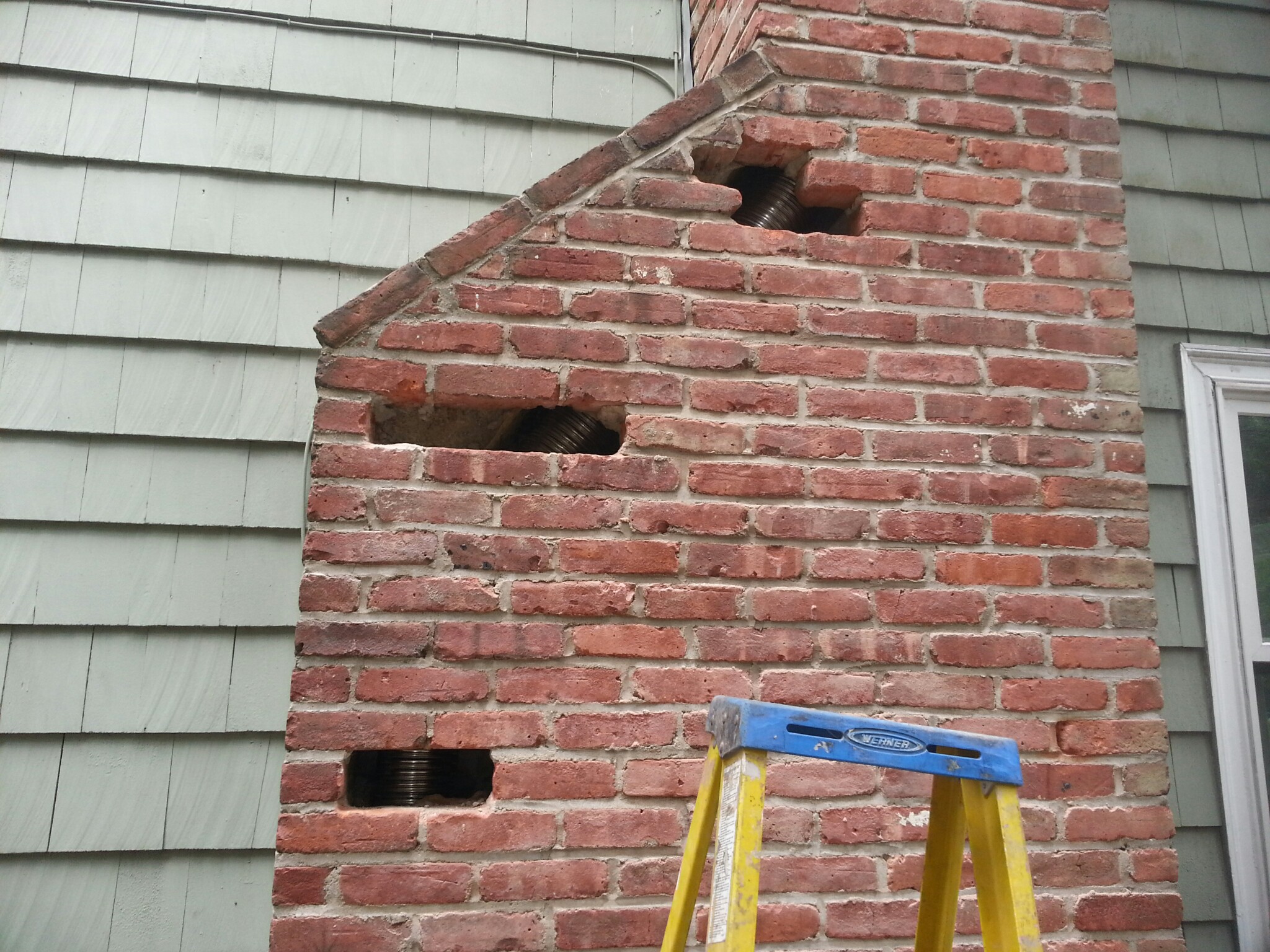
Mortar joints are the first place most chimneys show their age, especially in homes on Long Island built before the 1980s. The mortar between bricks acts as a sacrificial barrier. It's meant to fail and be replaced rather than let the bricks themselves crack. In Wantagh, where many homes date back several decades, original mortar has often already completed its useful life. Water seeps through deteriorated joints and enters the chimney structure. Freeze-thaw cycles expand this moisture and cause further damage. DME Maintenance examines these joints closely because fixing them early prevents costlier repairs down the road.
Brick damage follows mortar failure in a natural progression. Once water enters behind the mortar, the bricks absorb moisture and begin to spall, or flake away. In Wantagh, residents often notice small chips at first. These seem harmless but indicate that water is working its way through your chimney's exterior. Spalling accelerates over winter months. By spring, an entire face of the chimney may show significant deterioration. Replacing damaged bricks requires careful removal and reinstallation. The longer you wait, the more bricks need replacement and the deeper the underlying damage extends.
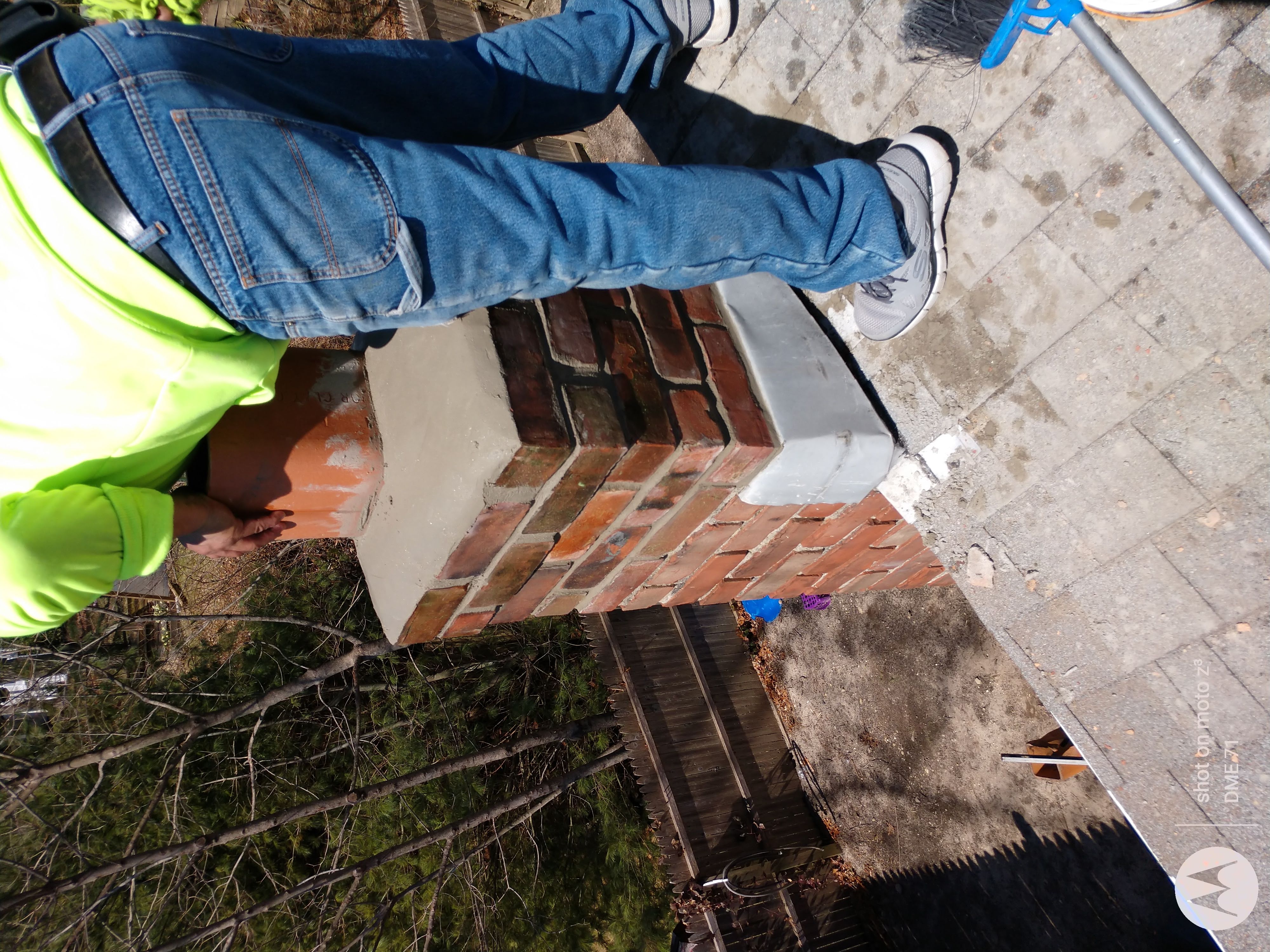
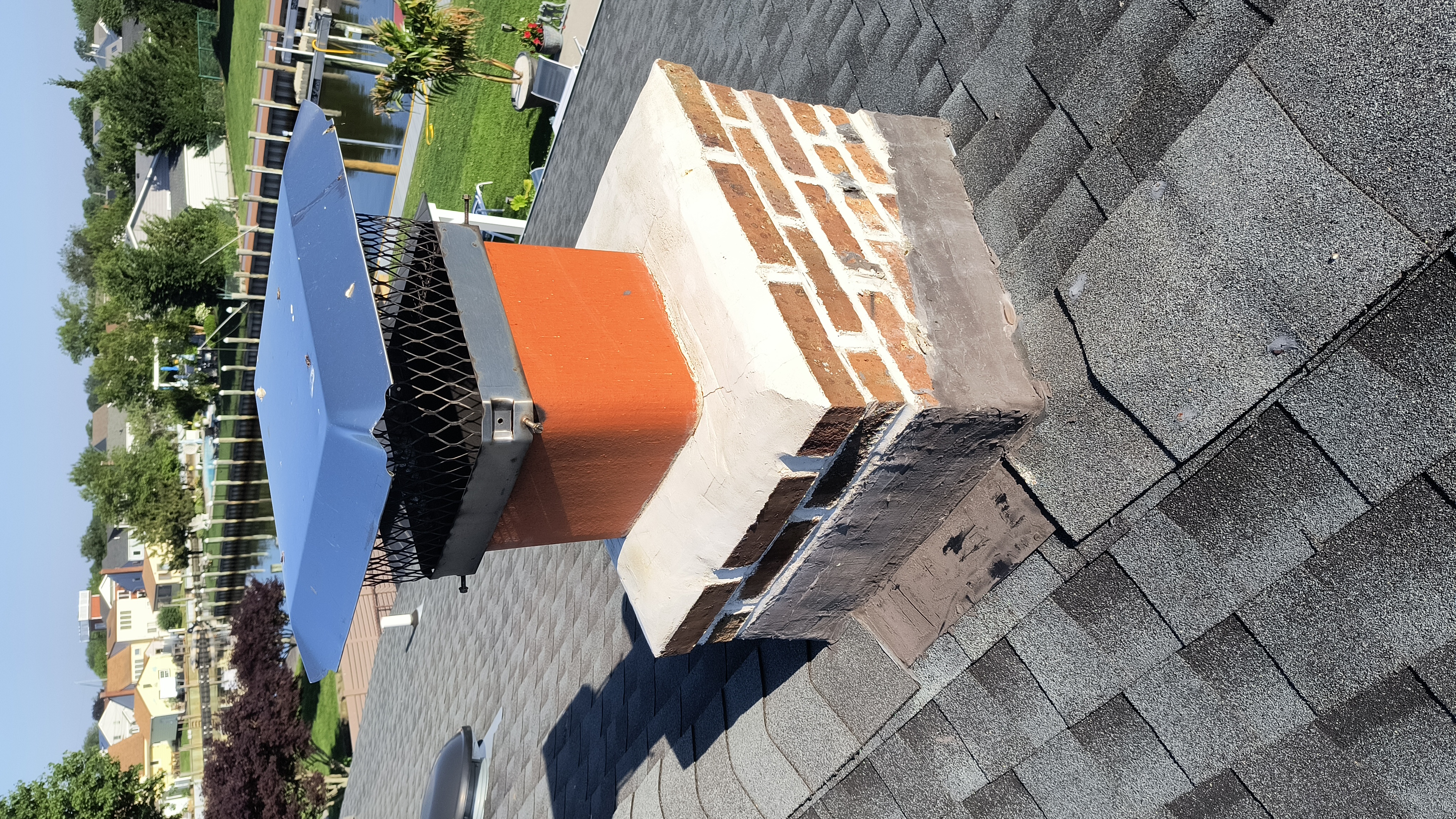
Water intrusion is the silent enemy of most chimneys on Long Island. Rain doesn't just enter through failed mortar joints. It also finds its way past deteriorated chimney crowns, the cap that sits at the very top of your flue. Many homes in Wantagh have crowns made of deteriorated concrete or improperly installed materials that don't shed water effectively. Water pools on top of the crown and seeps down the sides. Over time, this moisture reaches the interior of your home, staining drywall, warping insulation, and creating conditions for mold growth. Wantagh homeowners who heat with oil often discover water damage in their chimney when they notice rust forming inside their firebox or heating system components.
Structural integrity of your chimney depends on the collective health of all its components working together. A chimney isn't just a hollow tube. It's a load-bearing structure with its own foundation, a chimney breast that extends through your home's walls, a flue liner that must remain intact, and flashing where it meets your roof. Wantagh homes often settle slightly over decades, and this settlement can cause the chimney to shift. Bricks that were once plumb may now lean slightly. Small cracks can develop in the mortar joints that follow these movement lines. Our inspections evaluate how your chimney sits relative to your home's structure. We assess whether damage is purely cosmetic or represents a genuine structural concern.
The seasonal weather patterns in Wantagh and across Nassau County create a specific timeline for chimney damage. Winter brings freezing temperatures that turn any moisture in your masonry into an expanding force. Summer heat cycles dry things out, but not uniformly. This constant expansion and contraction weakens mortar and loosens bricks. Spring rains hit existing damage hard. Fall is when many homeowners think about their chimneys because heating season approaches. This is actually an excellent time to have work completed, since you won't be using your chimney for months. Early detection in fall allows us to schedule repairs before the busiest season begins.
Professional chimney repair requires more than basic masonry skills. Your chimney must function safely year-round while protecting your home from weather and water intrusion. Improper repairs create worse problems. We've seen chimneys repaired with incompatible mortar that failed within a few years. We've seen flashing installed incorrectly, creating new leak paths rather than preventing them. Our experience working on Wantagh homes has taught us how local conditions affect materials and techniques. We know which solutions last for decades in our climate and which shortcuts create callbacks. Choosing an experienced local contractor protects your investment.
Our service area covers all of Wantagh and the neighboring communities. Homeowners across Wantagh have relied on DME Maintenance, a local Long Island-based chimney company, for annual chimney service for over two decades.
DME Maintenance brings two decades of hands-on experience to every Wantagh chimney repair project. We've worked on colonial-era brick chimneys and modern vinyl-sided homes. We understand the unique characteristics of chimneys on Long Island, where salt spray from nearby water bodies accelerates deterioration. We've earned the trust of Wantagh residents by doing thorough work, explaining what we find, and charging fairly for our expertise. When you contact us about chimney damage, you're getting a professional who understands your home and your area.
If you've noticed mortar damage, loose bricks, water stains, or any other signs of chimney trouble, contact DME Maintenance today at 516-690-7471. Don't wait for problems to worsen through another winter season. DME Maintenance serves Wantagh and the surrounding Nassau County area and can schedule your inspection quickly. We'll assess your chimney's current condition and explain exactly what needs attention. Call 516-690-7471 now and protect your home before minor damage becomes major expense.